
How to Protect Both Relationships and Finances
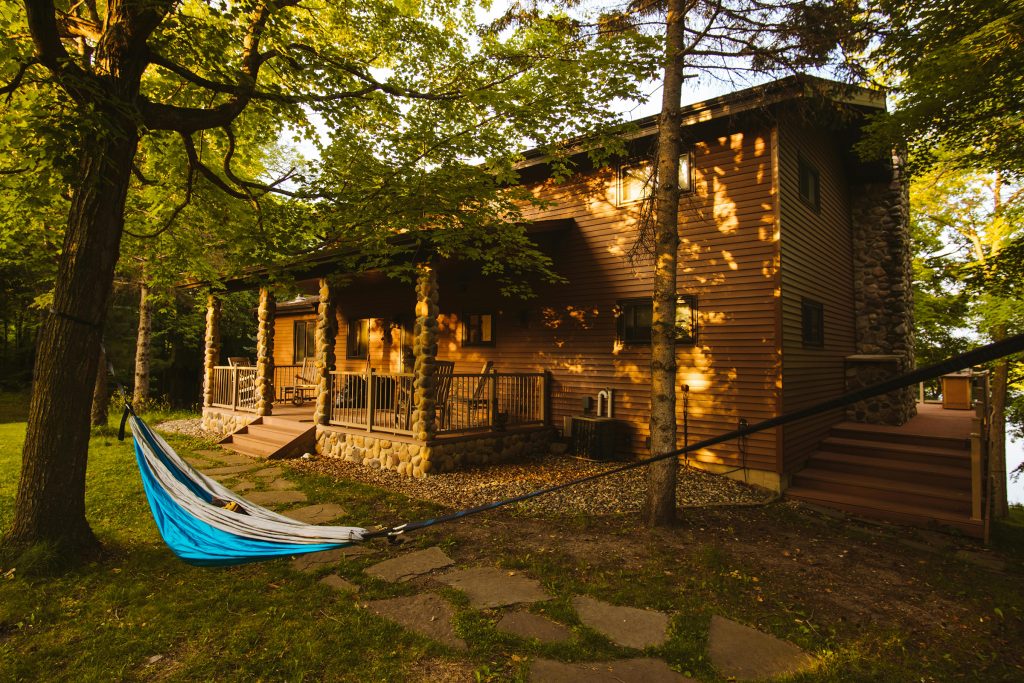
If you’re like me, you’re counting down the days until you can get back to the lake.
For many families in Minnesota and Wisconsin, cabins aren’t just real estate—they’re where summers happen, traditions are built, and memories carry across generations.
That’s exactly why sharing a cabin with siblings—whether you’re buying one together or inheriting it—feels like an easy decision at first.
“Let’s just share it.”
But over time, what starts as something simple can quietly turn into one of the more complex financial—and emotional—situations a family faces.
The goal isn’t to avoid sharing a cabin.
It’s to go into it with a plan—before small issues turn into bigger ones.
Where Things Start to Get Complicated
Most challenges don’t come from major disagreements.
They come from assumptions that were never discussed upfront.
Common friction points include:
- Money differences – Uneven contributions or expectations
- Usage differences – Some use it every weekend, others a few times a year
- Different visions – Renovate and upgrade vs. preserve and keep it simple
- When someone wants out – Life changes, priorities shift
- Unexpected costs – Taxes, maintenance, and capital improvements add up
Left unaddressed, these small issues can put real strain on relationships.
Key Financial Planning Considerations
1. Ownership Structure
Before anything else, define how the cabin is owned.
Many families benefit from using an LLC or other formal structure to clearly outline:
- Decision-making authority
- Usage rights
- Cost-sharing expectations
- Exit rules
Clarity upfront prevents confusion later.
2. Paying for Repairs and Ongoing Costs
Cabins are rarely cash-flow positive—they require ongoing investment.
It’s important to decide:
- Will costs be split equally or based on usage?
- Will you maintain a reserve fund for repairs?
- How will you handle major improvements?
Having a system in place removes guesswork (and tension).
3. Define an Exit Plan Early
The best time to agree on an exit strategy is when everyone still wants in.
A good agreement should address:
- How the cabin will be valued
- The buyout structure and timeline
- What happens if no agreement can be reached
Without a plan, exits often become emotional—and expensive.
4. Plan for Liquidity
Cabins are meaningful assets—but they’re also illiquid.
Families should think through:
- How a buyout would be funded
- Whether installment payments make sense
- If insurance or other tools can help create liquidity
Liquidity planning helps prevent forced decisions later.
5. Put It in Writing
This is one of the most important—and most overlooked—steps.
A written agreement:
- Sets clear expectations
- Reduces misunderstandings
- Protects relationships
It may feel unnecessary at the time, but it’s far easier to have these conversations upfront than during a conflict.
What If You Inherit a Cabin?
Inherited cabins often come with deeper emotional ties—which can make financial decisions more difficult.
If your family is in this situation, consider:
- Confirming the new tax basis
- Making sure each sibling truly wants ownership
- Evaluating whether ongoing costs are sustainable
- Discussing whether selling might better preserve relationships
In some cases, holding onto the cabin isn’t the best long-term decision—and that’s okay.
Final Thoughts
Cabin life is one of the best parts of living in the Midwest.
But like anything meaningful, it benefits from thoughtful planning.
Buying or inheriting a cabin together should feel intentional—not improvised.
When families approach it like any other investment partnership—with clear expectations, structure, and communication—they dramatically increase the odds that the cabin remains what it was meant to be:
A place for connection, not conflict.
Thinking About Buying or Sharing a Cabin?
If you’re considering purchasing a cabin with family—or navigating an inherited property—having a plan can make all the difference.
At Pursuit Wealth Management, we help families think through the financial, tax, and long-term planning aspects of shared assets like cabins—so you can focus on what matters most.
Reach out if you’d like to talk through your situation.